


January in Toronto brings prolonged freezing temperatures, heavy snowfall, and frequent freeze–thaw cycles that place constant stress on exterior home systems. One of the most overlooked yet critical components during this season is the eavestrough system, which controls how melting snow and ice move away from your home. When eavestroughs fail in winter, the damage can be structural, expensive, and difficult to detect until spring.
For homeowners across Toronto, aging or poorly designed eavestroughs can lead to ice buildup, water intrusion, and foundation stress during January’s harsh conditions. Understanding how aluminum eavestrough installation helps protect aluminum siding, roofing, soffit and fascia, and even windows and doors is essential for preventing winter-related damage before it escalates.

Why Eavestroughs Are Critical in Toronto Winters
During January, snow accumulation on roofs gradually melts during daytime temperature fluctuations, sending water toward the roof edge. Without properly sloped and unobstructed eavestroughs, this water refreezes at the edge, contributing to ice dams that trap moisture under shingles and against fascia boards. This trapped moisture can slowly seep into roof assemblies and wall cavities without immediate visible signs.
Toronto’s older housing stock, combined with dense urban layouts, often places homes closer together with limited drainage space. Aluminum eavestrough systems are designed to handle higher water volumes efficiently, directing runoff away from siding, foundations, and basement walls during winter thaws. When paired correctly with roofing systems, they play a major role in maintaining envelope integrity throughout January.
Common January Eavestrough Problems Homeowners Face
One of the most frequent winter issues is ice blockage caused by debris that remained in the eavestroughs after fall. Leaves, twigs, and sediment restrict water flow, allowing ice to build up and expand within the channel. This expansion can pull fasteners loose, warp sections, and create improper pitch that worsens drainage with each freeze cycle.
Another common issue is separation between eavestroughs and fascia boards due to snow load stress. Heavy snow resting on roofs can place downward pressure on eavestroughs, especially when ice accumulates inside them. This strain can compromise soffit and fascia systems, allowing moisture infiltration that affects attic ventilation and overall roof performance during January.
Signs Your Eavestrough System Needs Attention This Winter
Visible icicles forming along the eaves are often an early warning sign that water is not draining properly. While icicles may appear harmless, they usually indicate ice dams forming inside the eavestrough or at the roof edge. Over time, this can damage roofing materials and push water back toward interior ceiling spaces.
Other warning signs include sagging eavestrough sections, water staining on aluminum siding, or moisture appearing near windows and doors during mild winter days. These indicators suggest that runoff is not being directed away from the structure properly, increasing the risk of long-term water damage that may not be fully visible until spring thaw.
Benefits of Aluminum Eavestrough Installation in January
Aluminum eavestroughs are particularly well suited for Toronto’s winter climate due to their resistance to corrosion, flexibility in cold temperatures, and ability to be custom-fabricated for seamless installation. Unlike older steel systems, aluminum does not rust, reducing the risk of hidden deterioration during prolonged winter exposure.
Installing or upgrading eavestroughs in January allows homeowners to address drainage issues before spring melt places maximum water volume demand on the system. Properly installed aluminum eavestroughs also reduce stress on roofing edges, soffit and fascia boards, and help protect siding from repeated freeze–thaw moisture exposure during late winter.
How Eavestroughs Work With Other Exterior Systems
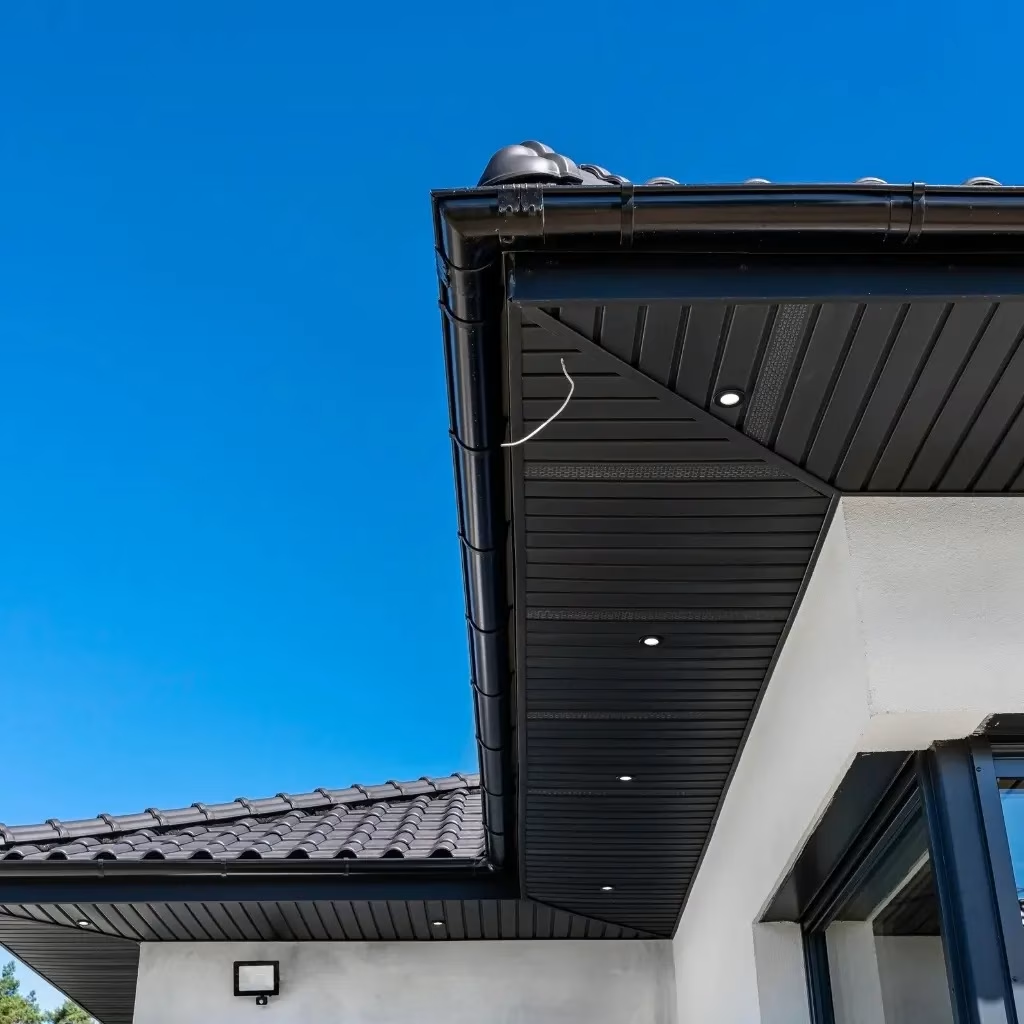
Eavestrough performance is closely connected to roofing slope, soffit ventilation, and fascia integrity. Poor drainage can force moisture into roofing assemblies, while damaged fascia boards weaken eavestrough attachment points. A well-integrated system ensures that water moves efficiently from the roof, into the eavestroughs, and safely away from the foundation.
When combined with leaf guard systems, aluminum eavestroughs remain clearer throughout winter, reducing the risk of ice blockage. Proper drainage also protects windows and doors by preventing water from pooling near frames, which can lead to drafts, seal failure, and interior condensation during January cold snaps.
Practical January Maintenance and Prevention Tips
Homeowners should visually inspect eavestroughs during milder January days, checking for sagging sections, visible ice buildup, or separation from the fascia. Addressing small alignment or fastening issues early can prevent major damage during heavy snowfall periods later in the winter.
Installing leaf guards before winter or upgrading to seamless aluminum systems can significantly reduce debris-related ice problems. Ensuring downspouts extend far enough away from the foundation also helps prevent ice accumulation near basement walls, reducing the risk of winter water infiltration and long-term structural issues.
FAQs: Aluminum Eavestroughs in Toronto Winter
Do eavestroughs really matter during winter months?
Yes, eavestroughs manage melting snow and ice, preventing water from backing up under roofing materials or pooling near foundations during freeze–thaw cycles.
Can bad eavestroughs cause ice dams?
Improper drainage, clogs, or poor slope can all contribute to ice dam formation by trapping water at the roof edge.
Is winter a good time to upgrade eavestroughs?
January upgrades allow issues to be corrected before spring thaw places maximum water demand on drainage systems.
Are aluminum eavestroughs better than older systems?
Aluminum systems resist corrosion, handle cold temperatures better, and integrate more effectively with modern roofing and fascia materials.
Why Choosing a Local Toronto Contractor Matters
Toronto’s climate, building codes, and diverse housing styles require local expertise when installing or upgrading eavestrough systems. A local contractor understands how snow load, roof pitch, and urban drainage constraints affect performance throughout winter months.
Working with a Toronto-based provider also ensures faster response times during winter-related issues and proper coordination with related services such as roofing, soffit and fascia, siding, and window protection. Local experience reduces the risk of installation mistakes that only become apparent after severe weather events.
Call to Action
If your home shows signs of winter drainage issues or ice buildup, a professional inspection can help identify problems before they worsen. January is an ideal time to assess how your eavestrough system performs under real winter conditions and plan preventative improvements that protect your home year-round.

Dorian Tabaku is the owner and driving force behind CityPro Aluminum, a premier provider of aluminum and vinyl siding, soffit, fascia solutions in Toronto, ON. With over two decades of experience in the home exterior industry, Dorian is passionate about delivering exceptional quality and craftsmanship to homeowners across the Greater Toronto Area. Under his leadership, CityPro Aluminum has earned a reputation for its commitment to customer satisfaction, innovative design, and sustainable building practices. Dorian’s expertise and dedication have made CityPro Aluminum a trusted name for reliable and stylish siding solutions tailored to Toronto’s unique climate.


